Research

The learning science behind Speed Learning

Every feature in the app traces back to peer-reviewed research on how memory actually works. These are the studies we build on, summarized in plain language, with links to every source so you can check our work.
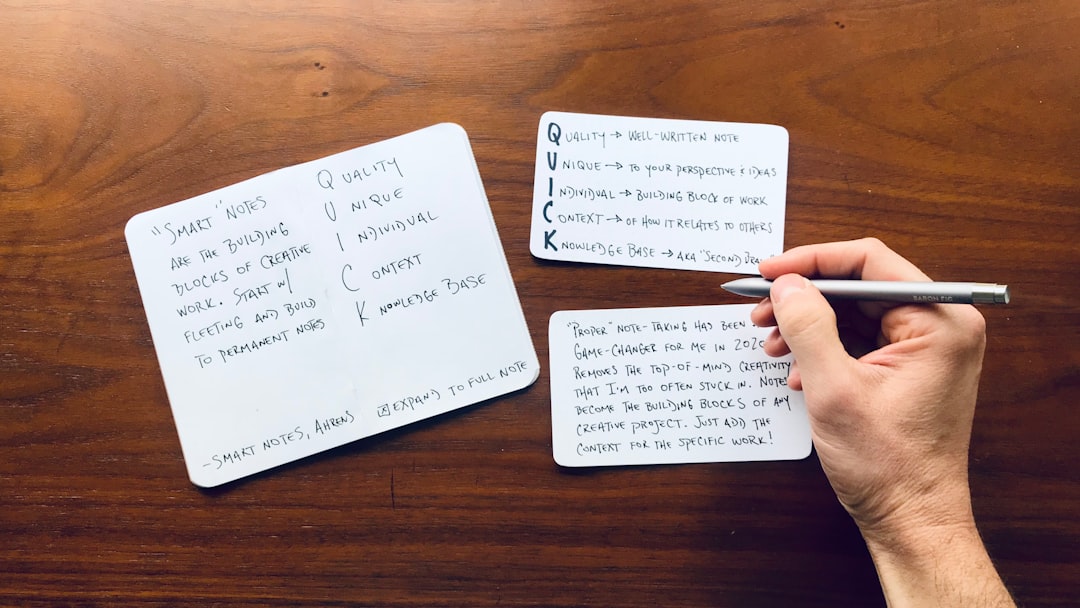
Handwritten index cards on a wooden desk

Spaced Repetition and Active Recall: Why Timing Beats Cramming

You forget 67% of new material within 24 hours. Ebbinghaus's forgetting curve, the spacing effect, and the testing effect show how to keep it instead.

Read the research →

Orange and yellow sticky notes on a white wall

Red and Yellow Stick Better: The Research Behind Color-Coded Learning

Warm colors improve recall by about 11%, standout items stick 6.9 points better, and high contrast is encoded more efficiently. The science of color and memory.

Read the research →

Fountain pen resting on handwritten notes

Chunking, Dual Coding, and Cognitive Load: How Your Brain Wants Information Packaged

Working memory holds only 3 to 4 chunks at a time. Miller, Paivio, Sweller, and Bjork on packaging material so it actually sticks.

Read the research →

Student reading a book in a library aisle

Does Speed Reading Actually Work? What the Science Says

Reading 1,000+ words per minute with full comprehension is physically impossible. What works instead: SQ3R and a complete evidence-based system.

Read the research →